In industrial processes where each product has unique characteristics, empirical validation can be essential. Agitation and mixing solutions present specific challenges depending on the application, and while in most cases process calculations and process simulations are sufficient to determine the result, on some occasions empirical testing is indispensable.
An incorrect selection of the agitator or mixer forces production stoppages and costly redesigns.
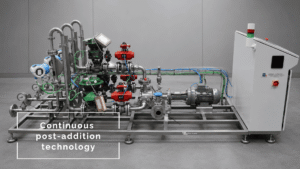
A 𝗣𝗶𝗹𝗼𝘁 𝗣𝗹𝗮𝗻𝘁 fully equipped with various agitation and inline mixing configurations to cover a wide spectrum of industrial processes, as is our case, allows reproducing real process conditions to validate solutions before industrial implementation, minimizing uncertainties and guaranteeing the technical viability of proposals.
This functional testing environment includes:
- Tanks of different volumes to adapt to different production scenarios
- Agitators with all types of impeller designs for all mixing processes
- Inline mixers with dispersion, emulsion and micro-emulsion capacity
- Viscometer, as a key tool to obtain fundamental parameters, and other data acquisition systems that allow studying the rheology of products and the conditions of the different process phases
- Measurement of key parameters such as mechanical stress, agitator energy consumption, pressure, temperature, …
Testing at Vak Kimsa’s Pilot Plant 𝗻𝗼𝘁 𝗼𝗻𝗹𝘆 𝘃𝗲𝗿𝗶𝗳𝗶𝗲𝘀 𝘁𝗵𝗲 𝘃𝗶𝗮𝗯𝗶𝗹𝗶𝘁𝘆 𝗼𝗳 𝘁𝗵𝗲 𝗺𝗶𝘅𝘁𝘂𝗿𝗲, 𝗯𝘂𝘁 𝗮𝗹𝘀𝗼 𝗮𝗹𝗹𝗼𝘄𝘀 𝘂𝗻𝗱𝗲𝗿𝘀𝘁𝗮𝗻𝗱𝗶𝗻𝗴 𝘁𝗵𝗲 𝗽𝗿𝗼𝗰𝗲𝘀𝘀 𝗱𝘆𝗻𝗮𝗺𝗶𝗰𝘀, optimizing it and collecting valuable technical data that is integrated into engineering development.
𝗔 𝗽𝗿𝗮𝗰𝘁𝗶𝗰𝗮𝗹 𝗰𝗮𝘀𝗲 𝘀𝘁𝘂𝗱𝘆
A company in the cosmetics sector needed to develop a new high-viscosity body cream with ingredients sensitive to temperature and shear. The formula combined aqueous and oily phases, stabilizers, emulsifiers and natural extracts, with the aim of achieving a stable, smooth and easy-to-apply texture.

The challenge: Initial industrial production presented unstable emulsions, inconsistencies in texture and viscosity between batches, and overheating of certain ingredients during mixing. This forced production to stop and the agitation system to be redesigned, with considerable added costs.
𝗧𝗵𝗲 𝗽𝗶𝗹𝗼𝘁 𝗽𝗹𝗮𝗻𝘁 𝘁𝗿𝗶𝗮𝗹: The manufacturing process was reproduced in a 100L tank, equipped with a central agitator and variable shear disperser, combined with an inline mixing system for controlled addition of actives.
𝗧𝗵𝗲 𝘃𝗶𝘀𝗰𝗼𝗺𝗲𝘁𝗲𝗿 𝘄𝗮𝘀 𝗸𝗲𝘆 𝘁𝗵𝗿𝗼𝘂𝗴𝗵𝗼𝘂𝘁 𝘁𝗵𝗲 𝗽𝗿𝗼𝗰𝗲𝘀𝘀, being used before, during and after to monitor the evolution of viscosity as a function of time and temperature, the effect of shear on product stability, and the ideal operating limits to maintain the desired texture.
𝗥𝗲𝘀𝘂𝗹𝘁𝘀 𝗼𝗯𝘁𝗮𝗶𝗻𝗲𝗱: Rheological data indicated that excessive agitation during the final emulsification phase reduced viscosity and affected stability. A critical temperature point was also detected, beyond which one of the actives lost effectiveness.
The tests allowed redesigning the agitation profile with defined and proven requirements, determining a necessary change in the ingredient incorporation sequence, and defining the key parameters to guarantee homogeneity and quality between batches.
𝗪𝗶𝘁𝗵 𝘁𝗵𝗶𝘀 𝗽𝗶𝗹𝗼𝘁 𝗽𝗹𝗮𝗻𝘁 𝘁𝗿𝗶𝗮𝗹, 𝗵𝗶𝗴𝗵 𝘁𝗲𝗰𝗵𝗻𝗶𝗰𝗮𝗹 𝗮𝗻𝗱 𝗲𝗰𝗼𝗻𝗼𝗺𝗶𝗰 𝗿𝗶𝘀𝗸𝘀 𝘄𝗲𝗿𝗲 𝗮𝘃𝗼𝗶𝗱𝗲𝗱. 𝗧𝗵𝗲 𝗱𝗮𝘁𝗮 𝗼𝗯𝘁𝗮𝗶𝗻𝗲𝗱 𝗴𝘂𝗮𝗿𝗮𝗻𝘁𝗲𝗲𝗱 𝗮 𝘀𝗮𝗳𝗲, 𝗲𝗳𝗳𝗶𝗰𝗶𝗲𝗻𝘁 𝗶𝗻𝗱𝘂𝘀𝘁𝗿𝗶𝗮𝗹 𝘀𝗰𝗮𝗹𝗲-𝘂𝗽 𝘄𝗶𝘁𝗵 𝗰𝗼𝗻𝘀𝘁𝗮𝗻𝘁 𝗾𝘂𝗮𝗹𝗶𝘁𝘆.
Why test in a pilot plant?
Because mistakes in production are expensive
A pilot plant bridges the gap between lab theory and industrial reality. It lets you replicate actual production conditions, run hands-on trials, and observe product behavior in real time—before any major investment.
The tests not only verify the viability of the mixture, but also 𝗮𝗹𝗹𝗼𝘄 𝘂𝗻𝗱𝗲𝗿𝘀𝘁𝗮𝗻𝗱𝗶𝗻𝗴 𝘁𝗵𝗲 𝗽𝗿𝗼𝗰𝗲𝘀𝘀 𝗱𝘆𝗻𝗮𝗺𝗶𝗰𝘀, optimizing it and collecting valuable technical data that is integrated into engineering development.
Additionally at Vak Kimsa, analyses performed with ANSYS at fluid-dynamic level, together with mechanical and energy tests, constitute 𝗮𝗽𝗽𝗹𝗶𝗲𝗱 𝗸𝗻𝗼𝘄-𝗵𝗼𝘄 𝗯𝗮𝘀𝗲𝗱 𝗼𝗻 𝗿𝗲𝗮𝗹 𝗱𝗮𝘁𝗮 𝗮𝗻𝗱 𝗰𝗼𝗻𝘀𝗼𝗹𝗶𝗱𝗮𝘁𝗲𝗱 𝗸𝗻𝗼𝘄𝗹𝗲𝗱𝗴𝗲.
This methodology marks the difference between a conventional solution and a truly efficient one.
In short, the pilot plant is a validation and innovation space where theory is put to the test and where ideas are transformed into applicable solutions. It allows adjusting each proposal to the specific needs of each process and, above all, minimizing risks and 𝗴𝘂𝗮𝗿𝗮𝗻𝘁𝗲𝗲𝗶𝗻𝗴 𝘁𝗵𝗲 𝘀𝘂𝗰𝗰𝗲𝘀𝘀 𝗼𝗳 𝗶𝗻𝗱𝘂𝘀𝘁𝗿𝗶𝗮𝗹 𝗶𝗺𝗽𝗹𝗲𝗺𝗲𝗻𝘁𝗮𝘁𝗶𝗼𝗻.
- Do you want to see how it would work with your product? Contact us and let’s talk about it.